

Citizenship by Investment
The Turkish Passport
Strength, ranking, visa-free travel and dual citizenship — what Turkish nationality gives you as a passport holder, and how the passport is obtained by investment.
At a glance
The Turkish Passport at a Glance
The essentials of the Turkish passport from the citizenship angle — figures and lists are indicative and confirmed with an advisor.
The passport is the outcome of citizenship — not a separate purchase, and not a guaranteed result
Rankings, visa-free lists and figures shown are indicative, change over time and require verification — confirm current details with an advisor.
Overview
What Is the Turkish Passport?
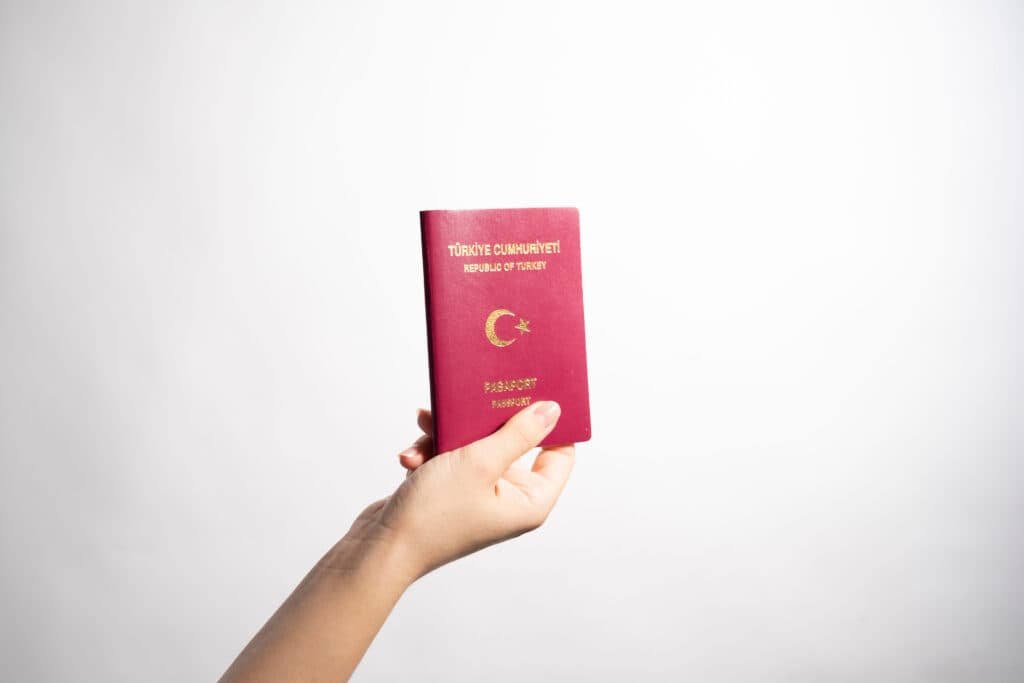
The Turkish passport is the international travel document issued to citizens of the Republic of Türkiye. Once Turkish citizenship is granted — whether by investment, descent or marriage — the passport and national ID follow, and family members included in the same application are documented as citizens too.
Türkiye issues a biometric (e-passport) with an embedded chip, in line with international travel-document standards. It is a full citizen’s passport — not a residence permit or a travel visa — and it carries the rights of Turkish nationality, held indefinitely subject to Turkish Citizenship Law.
This page looks at the passport from the citizenship angle — what it offers once you are a citizen. Entry rules for visiting Türkiye as a tourist are a separate matter.
Global standing
Turkish Passport Ranking
The Turkish passport’s global standing is measured by international passport indices, which rank passports by how many destinations their holders can enter without a prior visa, and its position changes over time as countries update their visa arrangements.
Because the indices are republished regularly and rankings shift, we do not quote a fixed number here — an advisor shares the current standing and what it means for your travel.
Mobility
Visa-Free & Visa-on-Arrival Travel
For many holders the practical benefit is mobility. A Turkish passport gives visa-free or visa-on-arrival access to a broad list of destinations across several regions:
Important — read this honestly. Turkish citizens generally require a visa for short stays in the Schengen Area, and destination-specific rules should be checked before travel. Claims of blanket visa-free access to Europe are inaccurate. The exact list of visa-free countries, and whether entry is visa-free or visa-on-arrival, changes over time — confirm the current list for the countries that matter to you with an advisor.
The most common way foreign nationals obtain a Turkish passport is citizenship by investment — a qualifying investment (most often real estate) that meets the threshold set by Turkish law, after which citizenship is granted by the Turkish authorities and the passport is issued.
The investment routes, minimum amounts, holding periods and family coverage are covered on our main guide — see Turkish Citizenship by Investment. The passport itself is the outcome of that process, not a separate purchase, and no route means simply “buying a passport”: every application passes through eligibility and security review.
A Turkish passport is the outcome of citizenship — earned through a process, not bought.
Every application passes eligibility & security review
Dual nationality
Dual Citizenship & Your Other Nationality
Türkiye generally permits its citizens to hold another nationality alongside Turkish citizenship. In practice this means many investors keep their existing passport and add the Turkish one.
Whether you may keep your current nationality, however, depends on the laws of your home country — some states restrict or do not recognise dual citizenship. This is a personal-law question to confirm for your own situation with an advisor before you apply.
Validity & family
Passport Validity & Family Coverage
A Turkish passport is issued for a defined validity period and is renewable through the relevant Turkish authorities and consulates abroad. Children included in a family application are issued their own passports, and minors’ documents follow their own validity and renewal rules.
- Validity: a fixed term, renewable
- Where: Turkish authorities in Türkiye or consulates abroad
- Family: spouse and minor / dependent children documented as citizens

The passport is the final step of the citizenship process — investment and valuation, Certificate of Conformity, residence permit, the citizenship application, security review, then approval and issuance. The full sequence, stage by stage, is covered in our dedicated guide: How to Get Turkish Citizenship.
Investo Global coordinates the process end-to-end and works with licensed Turkish citizenship lawyers — we tell you what we coordinate and what rests with the Turkish authorities.
Two very different numbers get confused under the same search. The passport fee is a state charge for the document itself. The cost of obtaining citizenship is dominated by the qualifying investment and the professional and government costs around it — orders of magnitude larger.
The passport fee is set by an official tariff, charged per person rather than per family, and normally combines the book fee with a valuable-paper charge; it varies with the validity period you are issued. The tariff is revised, typically annually, which is why we quote the current figure on application rather than publishing one that goes stale and gets repeated back to us.
If you are budgeting an investment route, plan the passport fee as a small line item alongside the residence-permit, ID and citizenship-application fees — each charged per family member — and the qualifying investment as the substantial one. The itemised breakdown, one-time against recurring, is on the citizenship by investment page.
A passport cannot be bought. The fee is issued against a citizenship decision already granted — anyone quoting a price “for a Turkish passport” as a product is describing something that does not exist.
FAQ
Frequently Asked Questions
Short, direct answers about the Turkish passport. Figures and rankings are indicative and confirmed with an advisor.
Its strength is measured by global passport indices and sits in the upper-middle tier, moving year to year as visa arrangements change. An advisor shares the current ranking.
Turkish citizens generally require a visa for short stays in the Schengen Area, and destination-specific rules should be checked before travel. Beyond it, the passport does offer visa-free or visa-on-arrival access to a broad list of other destinations, which changes over time.
Türkiye generally permits dual citizenship, but whether you may keep your existing nationality depends on your home country’s laws — confirm your own position with an advisor.
Most foreign nationals obtain it through citizenship by investment; the passport is issued after citizenship is granted. See how the process works step by step.
The passport itself carries a state fee — normally a book fee plus a valuable-paper charge, set by an official tariff, charged per person and varying with the validity period issued. The tariff is revised periodically, so we quote the current figure on application. Do not confuse it with the cost of obtaining citizenship, which is dominated by the qualifying investment and the fees around it — see cost and fees.
Renunciation is provided for in Turkish law and is a formal procedure with its own conditions and consequences, not a simple withdrawal. The more common question comes earlier: whether you may hold Turkish citizenship alongside your existing nationality depends on your home country’s law rather than Türkiye’s — check that position before you apply, particularly if your current nationality restricts dual citizenship.
A single application can typically cover your spouse and minor or dependent children, who are documented as citizens with their own passports — age and dependency rules apply and are confirmed case by case.
Note. Answers are general guidance; rankings and visa-free lists change over time and are confirmed with an advisor.
Talk to an advisor
Considering a Turkish passport?
Tell us where you are in the process and an advisor will map your next step — in your language, guided end-to-end, with no obligation.
Figures, rankings and visa-free lists shown are indicative and change over time; confirm the current position with a qualified advisor before you rely on them.